In 2008, a small but rigorously designed trial was published in the journal Metabolism. It enrolled 36 adults newly diagnosed with type 2 diabetes and compared two interventions over 13 weeks: 500 mg metformin three times daily, versus 500 mg berberine — a plant alkaloid from Coptis chinensis, Berberis aristata, and a handful of other traditional-medicine plants — on the same schedule. Neither the researchers nor the subjects knew which group was which.
The results were surprising enough that they have shaped how serious people in metabolic medicine think about plant-derived AMPK activators ever since. The berberine arm produced HbA1c reductions statistically indistinguishable from metformin. Fasting glucose, post-prandial glucose, triglycerides, and total cholesterol all moved in the same favorable direction, at similar magnitudes.
What the trial actually showed
The headline number — that berberine matched metformin on HbA1c — is real and has held up through subsequent meta-analyses. But there are nuances worth naming, because supplement marketing tends to flatten them.
First: this was a three-month trial in newly diagnosed T2DM patients. Generalizing the result to every metabolic concern at every dose is not what the paper supports. What it does support is a strong mechanistic claim — berberine activates AMPK in a way that meaningfully moves glucose metabolism in humans.
Second: the dosing matters. 500 mg three times per day, with meals, was the protocol. Cheap berberine products often instruct one capsule per day at 250-400 mg. That's not what the research used. If your product is dosed that low, you are not testing the hypothesis the trial tested.
Third: berberine is not metformin. Metformin has 60+ years of post-marketing surveillance data, established interaction profiles, and a prescription-grade regulatory history. Berberine is a supplement with strong research and a good safety record, but it is not a medication replacement. If you are already on metformin, you do not swap. You talk to your physician.
Why the mechanism matters
AMPK is an enzyme that acts as the cell's energy sensor. When cellular ATP is low, AMPK switches on and tells the cell to stop building new molecules (anabolism) and start burning fuel (catabolism). The downstream effects include improved glucose uptake into muscle, reduced hepatic glucose production, improved mitochondrial biogenesis, and a cascade of anti-inflammatory signaling.
Metformin activates AMPK indirectly, by inhibiting Complex I of the mitochondrial electron transport chain. Berberine activates AMPK more directly, which is part of why the dose-response curves look different between the two compounds. But the downstream pathway is the same pathway. This is why the phenotypic outcomes look so similar.
Who this is for, and who it isn't for
Berberine makes clinical sense for adults whose post-meal glucose excursions are uncomfortable but not yet diabetic, who want a mechanism-first approach to metabolic support, and who are willing to take three capsules a day with meals.
It doesn't make sense as a casual wellness supplement for someone with no metabolic concerns. The effects are real and physiological; there's no reason to activate a metabolic pathway that isn't asking for help.
And if you're already on prescription diabetes medication — metformin, sulfonylureas, insulin, GLP-1s — you talk to your physician before starting. The additive glucose-lowering effect is real, and your medication dose may need to adjust.
What we do with this at iriglow
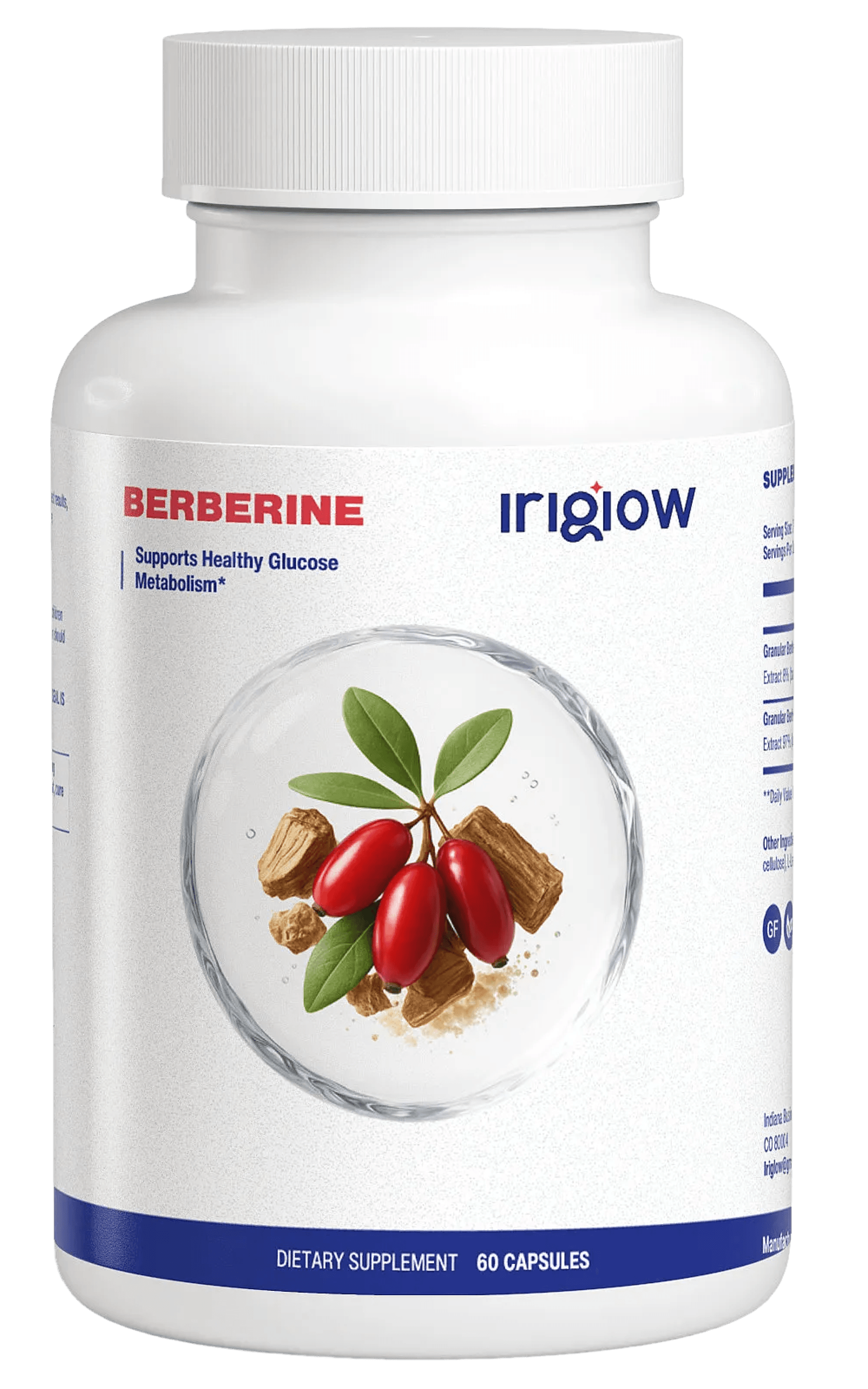
Our berberine is dosed at 500 mg per capsule, delivered as a dual-extract (8% bark/root concentrate plus 97% bark concentrate) so the bioavailable alkaloid content matches what trials have used. We suggest splitting two capsules across your two largest meals — mapping to the clinical protocol rather than asking you to remember a third pill at dinner.
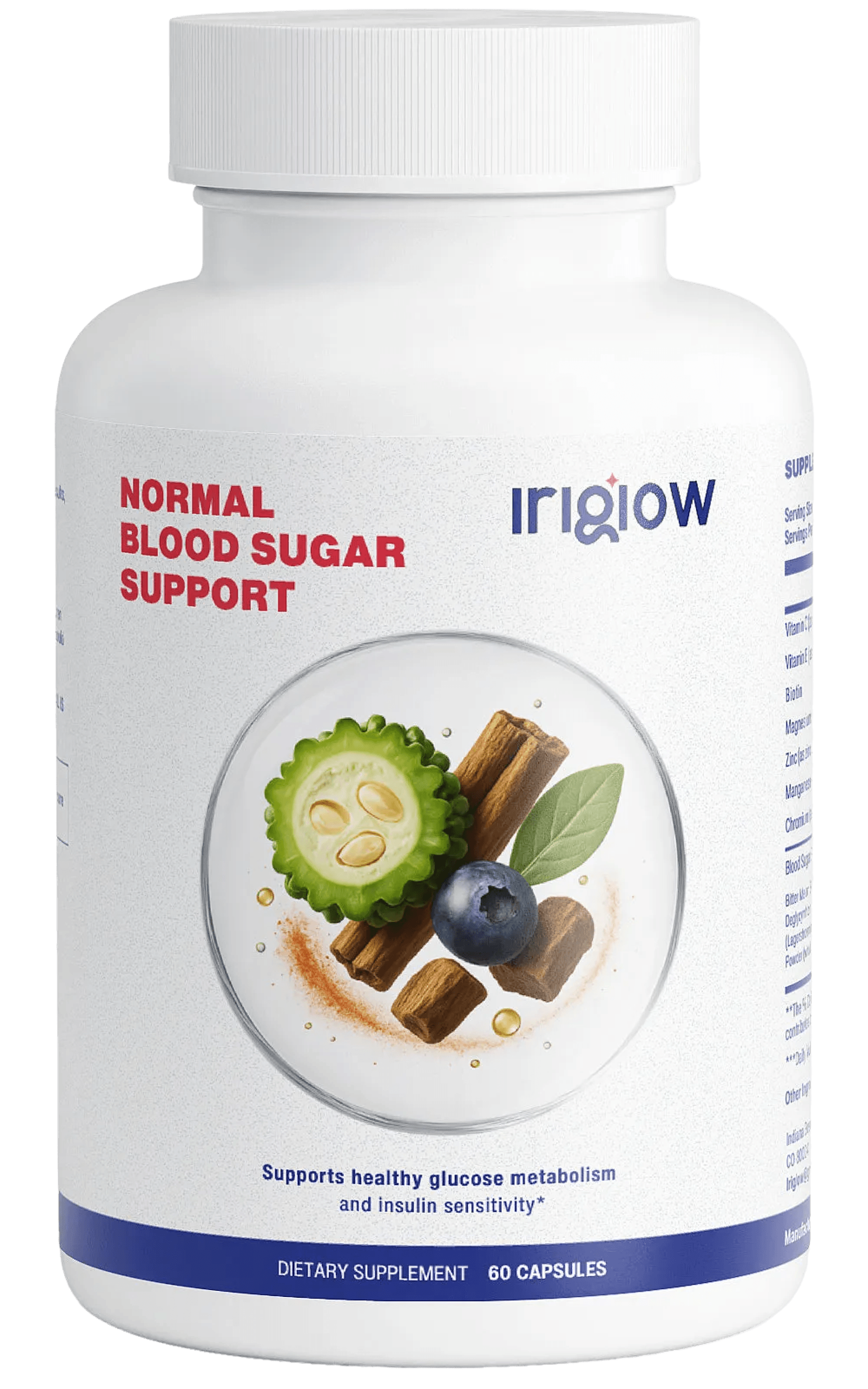
It shows up in our Metabolic Reset pack alongside Blood Sugar Support (chromium + ALA + banaba + cinnamon for receptor-level sensitivity) and Fat Burner with MCT (clean fuel that doesn't spike insulin). Those three work on different parts of the same pathway; the effects compound.